
In the past twelve months, Twitch’s average concurrent viewership jumped from 1.5 million to over 2.1 million per hour, according to the platform’s own stats. That surge isn’t just a numbers game; it reshapes how players learn, socialize, and even monetize their hobby. I first noticed the shift when a friend of mine stopped watching recorded “Let’s Play” videos and started tuning in to a 4‑hour marathon of “Elden Ring” speedruns. Within the first half‑hour, his chat was buzzing with tips about hidden bosses, and by the end he’d joined a Discord server that now hosts weekly raids. The experience felt immediate, collaborative, and oddly personal—something static videos rarely deliver.
Community Building on the Fly
Live streams turn strangers into teammates in real time. A typical “Just Chatting” session on YouTube Gaming draws about 12 000 live participants, but the real magic happens in the chat. Viewers can vote on in‑game decisions with simple commands, creating a choose‑your‑own‑adventure vibe. For example, during a recent “Minecraft” buildathon, the streamer set up a poll that let the audience decide whether the next structure would be a castle or a roller coaster. The poll closed in 30 seconds, and the community collectively watched the blocky masterpiece unfold.
These spontaneous interactions also foster niche sub‑communities. A “Valorant” streamer who specializes in “eco‑round” strategies has attracted over 4 000 regulars who share budget‑friendly tips. The group now runs a weekly “Low‑Budget Ladder” tournament that runs parallel to the main broadcast, giving newcomers a low‑pressure environment to test their skills.
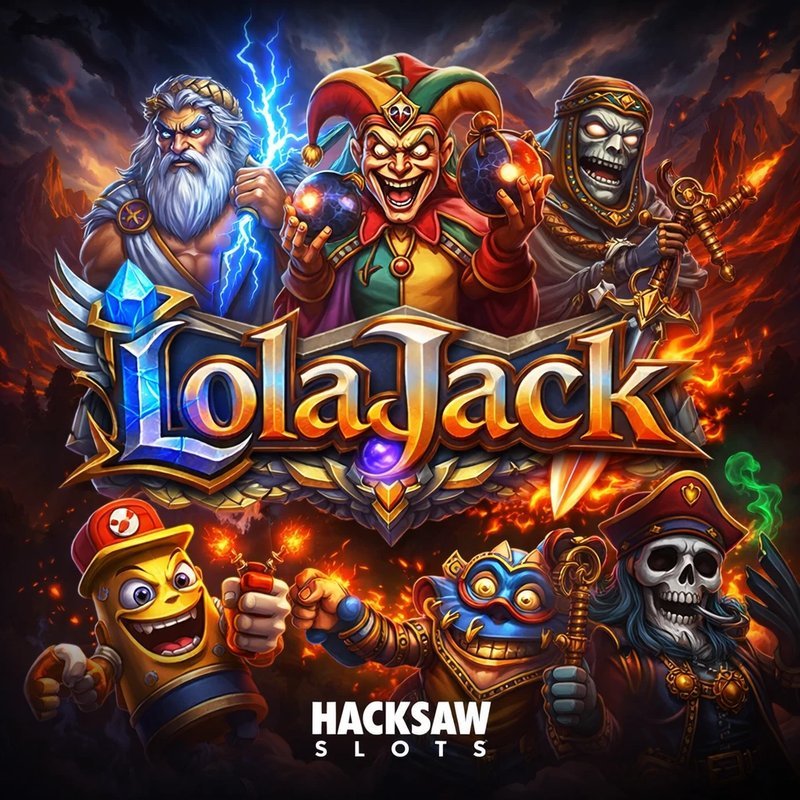
Players looking for a quick break can even try their luck at online casino games like Lolajack.
Monetization Meets Authenticity
Unlike traditional sponsorships that feel scripted, live‑streamers can earn directly from their audience. On average, a mid‑tier Twitch partner (around 50 000 followers) makes $3 500 per month from subscriptions, bits, and ad revenue combined. The key is authenticity: when a streamer genuinely enjoys a game, viewers are more likely to support them financially. I’ve seen creators who switch from “just playing” to “playing with you” see their subscriber count double within weeks.
However, this model isn’t without flaws. Revenue spikes are tied to peak viewing hours, usually 7 pm–11 pm EST. Streamers who broadcast at unconventional times—say, early morning or late night—often struggle to hit the same earnings threshold, even if their content quality is high. This timing bias can push creators toward a homogenized schedule, limiting diversity in content.
From Streaming to Broader Entertainment
Live‑streaming isn’t an isolated phenomenon; it feeds into the larger ecosystem of online gaming and entertainment. While watching a “Fortnite” tournament, I stumbled across a short segment where the host mentioned a local car‑service shop that sponsors community events. The mention was brief, but the anchor text “Lolajack” linked directly to their site, showing how even niche services can tap into the streaming audience.
Challenges and the Road Ahead
Technical glitches remain a persistent headache. A recent study by StreamLabs found that 27 % of broadcasters experience latency issues that exceed 2 seconds, which can disrupt fast‑paced games like “Apex Legends.” Moreover, platform moderation policies sometimes stifle community growth. When Twitch tightened its harassment rules in early 2024, several long‑standing chat rooms saw a drop in active participants because moderators struggled to keep up with the new guidelines.
Looking forward, I expect AI‑driven moderation tools to improve, and new platforms like “Rumble Live” to challenge the status quo with lower fees and more flexible revenue splits. If those trends hold, the next wave of streamers will have even more control over how they build and monetize their communities.
What This Means for Gamers Like Us
For anyone who still thinks gaming is a solitary pastime, the data says otherwise. Live‑streaming platforms have turned solitary play into a shared experience, complete with real‑time feedback, financial incentives, and cross‑industry collaborations. The rise isn’t just a fad; it’s a structural shift that rewards interaction and authenticity. If you haven’t dipped your toe into a live broadcast lately, pick a game you love, find a streamer with a modest chat size, and join the conversation. You might just find a new crew, a fresh strategy, or even a side hustle you never imagined.
