
Introduction
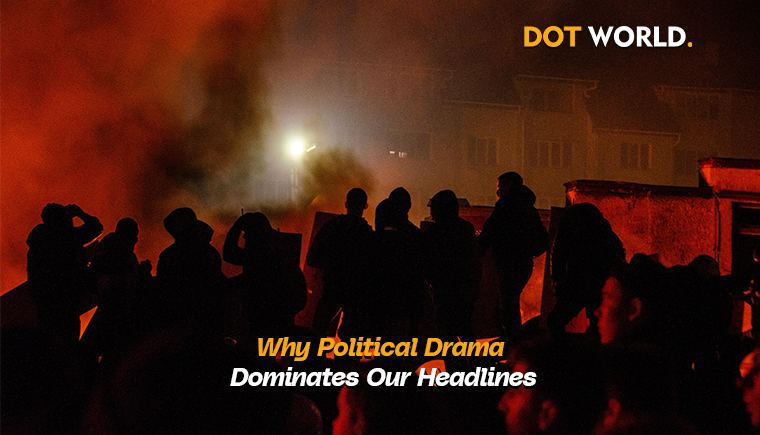
In Pakistan, it often feels like politics dominates every headline, every breaking news bulletin, and every discussion on our news channels. From dramatic rallies at D-Chowk to intense debates over parliamentary conflicts, political stories consistently capture our attention. But why does this happen? Why does political drama overshadow other crucial issues like education, health, or the economy in Pakistan media?
This blog dives deep into the reasons behind this media focus, exploring the influence of media bias, the race for media ratings, and the complex relationship between news outlets and political powers. Understanding these dynamics is key to becoming a more informed viewer and citizen.
The Role of Politics in Pakistan’s Media Landscape
Politics is inherently dramatic. It involves power struggles, public displays, conflicts, and controversies — all ingredients for compelling storytelling. Pakistan’s media has leveraged this drama for years to attract viewers and increase their media ratings.
News channels know that political stories generate the highest viewership, especially when tensions rise during elections, protests, or Supreme Court rulings. As a result, they allocate more airtime to political debates, political protests, and breaking news that involve politicians.
For instance, major events like the D-Chowk protests have consistently dominated news cycles. If you want to explore more on this, check out our video D-Chowk: A Symbol of Political Protest.
Media Bias: Who Controls the Narrative?
Media bias in Pakistan is a well-discussed topic. Many news channels are affiliated with political parties, business interests, or influential figures. This connection often influences which stories get highlighted and how they are framed.
This bias creates a cycle where channels support certain politicians or parties while opposing others, turning the news into a battleground for political messaging rather than impartial reporting. As a result, the public often sees news as entertainment rather than information, making political drama even more pronounced.
The Race for Media Ratings
Television ratings are the currency of news channels. Higher ratings mean better advertising revenue and increased influence. Political stories — especially those filled with conflict and drama — attract more viewers than routine reports on infrastructure or education.
This competition pushes channels to sensationalize political events, focusing more on shouting matches, heated debates, and exclusive interviews with controversial figures. The consequence? Politics dominates headlines, and important social issues get sidelined.
Breaking News: Speed vs Accuracy
The quest to be the first to break a story further fuels political drama. Channels often rush to report political developments live without complete verification, sometimes spreading misinformation or incomplete narratives.
This rapid-fire reporting keeps viewers hooked but reduces the depth and accuracy of news. The public ends up consuming a constant stream of dramatic political updates, reinforcing the cycle of political dominance in media.
Impact on Public Perception and Society
When political drama dominates Pakistan media, it shapes how the public perceives politics and governance. The emphasis on conflict and scandal can increase cynicism and reduce trust in institutions.
Moreover, focusing on political brawls detracts attention from urgent social issues like education reform, health crises, and economic challenges. For instance, check out our blog on Quality Education in Pakistan to learn more about issues often overshadowed by political news.
Balancing the News: What Can Be Done?
- Encouraging Responsible Journalism: Media outlets should strive for balanced coverage, highlighting social issues alongside politics.
- Promoting Media Literacy: Viewers need to critically evaluate news sources and seek diverse perspectives.
- Strengthening Independent Media: Supporting outlets free from political influence can improve news quality.
- Using Digital Platforms: Social media and alternative news sources can diversify the narrative beyond traditional channels.
For more on the dynamics between politics and media, watch our video Supreme Court vs Parliament: A Power Struggle.
Conclusion
The dominance of political drama in Pakistani news is the product of a complex interplay between media business models, political influence, and audience preferences. While politics is undeniably important, the overwhelming focus on political conflict risks overshadowing many critical issues that affect everyday lives.
By understanding these dynamics and demanding better media practices, viewers can encourage a more balanced, informative, and constructive news environment in Pakistan.
Internal Links for More Insight
- About MyDotWorld – Learn about our mission for a better Pakistan.
- Watch Powerful Videos – Explore impactful content on Pakistan’s social issues.
- Read Our Blogs – Stay updated on education, politics, and social topics.
Contact Us – Connect with us for collaborations and inquiries.
