
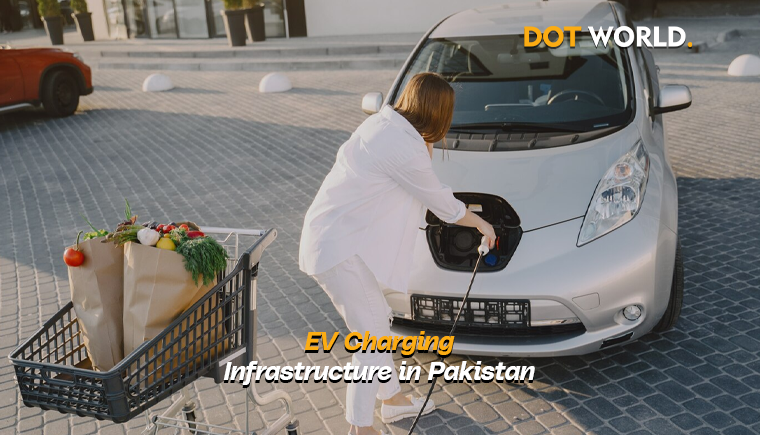
The global shift towards electric vehicles isn’t just a trend — it’s a necessity in the fight against climate change. Countries around the world are investing heavily in EV charging infrastructure to make the transition from fossil fuels to green energy seamless.
In Pakistan, the journey has just begun. While the Pakistan EV policy has been introduced to encourage the adoption of electric vehicles, the charging infrastructure is still in its infancy. Without widespread and efficient EV charging stations, even the most affordable electric vehicles will struggle to gain mainstream acceptance.
In this blog, we’ll explore where Pakistan currently stands, what challenges it faces, and how a robust charging network powered by green energy could revolutionize the nation’s transport sector.
1. Pakistan’s Electric Vehicle Landscape
Electric vehicles are gradually becoming a part of Pakistan’s urban roads. Brands like MG, Hyundai, and Audi have already introduced EV models, while global leaders like Tesla and BYD are gaining interest among Pakistani buyers.
However, the growth is limited due to two main factors:
- EV charging infrastructure scarcity.
- High upfront costs despite the Pakistan EV policy offering incentives.
While the government envisions green energy-powered transport as the future, current adoption rates suggest that without a strong EV charging network, Pakistan will lag behind its global counterparts.
2. Understanding the Pakistan EV Policy
The Pakistan EV policy aims to make electric vehicles more affordable and accessible. Its goals include:
- Reducing import duties on EVs.
- Encouraging local assembly of EV models.
- Promoting EV charging station development.
- Integrating green energy into the charging network.
While the policy sets an ambitious target — 30% of all new vehicles to be electric by 2030 — without an effective charging infrastructure, these targets will remain on paper.
Read more on Pakistan’s transport reforms in our blog section.
3. The Current State of EV Charging Infrastructure in Pakistan
Right now, EV charging stations in Pakistan are concentrated in big cities like Karachi, Lahore, and Islamabad. These include:
- Fast chargers installed by private companies like PSO and MG Motors.
- Slow chargers set up by individual EV owners at home.
- Limited green energy-powered charging setups, mostly solar-based.
However, rural areas and small towns have almost no EV charging access. This makes long-distance travel with electric vehicles a risky challenge, discouraging potential buyers.
4. Why Green Energy is Key to EV Success
If electric vehicles are charged using fossil fuel-generated electricity, the environmental benefits are reduced. That’s why green energy is crucial.
- Solar-powered EV charging stations can be set up in sunny regions of Pakistan.
- Wind energy can be integrated into coastal charging hubs.
- Hybrid setups (solar + grid) can ensure uninterrupted power supply.
By connecting green energy sources directly to the charging network, Pakistan can meet its Pakistan EV policy targets while also cutting carbon emissions.
5. Challenges Facing EV Charging Development
Building a countrywide EV charging network isn’t easy. The main obstacles include:
- High Installation Costs – Setting up fast chargers requires heavy investment.
- Grid Limitations – Pakistan’s existing electricity grid struggles with shortages.
- Lack of Awareness – Many still don’t understand how electric vehicles work.
- Policy Enforcement – While the Pakistan EV policy is promising, implementation is slow.
Without addressing these challenges, green energy adoption in the transport sector will remain limited.
6. Opportunities for Investors and Startups
The EV sector in Pakistan is ripe for innovation. Investors can explore:
- EV charging stations in highways and underserved cities.
- Solar-powered charging hubs that double as green energy businesses.
- Mobile charging services for electric vehicles in emergencies.
These opportunities align with the Pakistan EV policy, which offers tax benefits and reduced import duties for companies entering the EV market.
7. International Lessons for Pakistan
Countries like Norway, China, and the UAE offer great examples:
- Norway: Nationwide fast charging every 50 km.
- China: Integrated green energy with EV charging networks.
- UAE: Free public charging for early adopters.
Pakistan can learn from these strategies and adapt them to its own Pakistan EV policy goals.
8. The Role of Local Communities
For the EV revolution to succeed, local communities must be involved. For example:
- Petrol station owners can convert parts of their property into EV charging points.
- Homeowners can install small-scale solar chargers for their own electric vehicles.
- Universities and malls can attract eco-conscious visitors by offering green energy charging bays.
Such small steps can create a ripple effect that transforms Pakistan’s electric vehicles market.
Conclusion: Driving Towards a Green Future
The success of electric vehicles in Pakistan depends on more than just car imports. Without a reliable and widespread EV charging network powered by green energy, adoption will remain slow.
The Pakistan EV policy provides the framework, but the execution requires public-private partnerships, investor interest, and public awareness. If done right, Pakistan can leapfrog into a clean transport future — reducing emissions, cutting fuel costs, and making green energy a core part of daily commuting.
