
Introduction
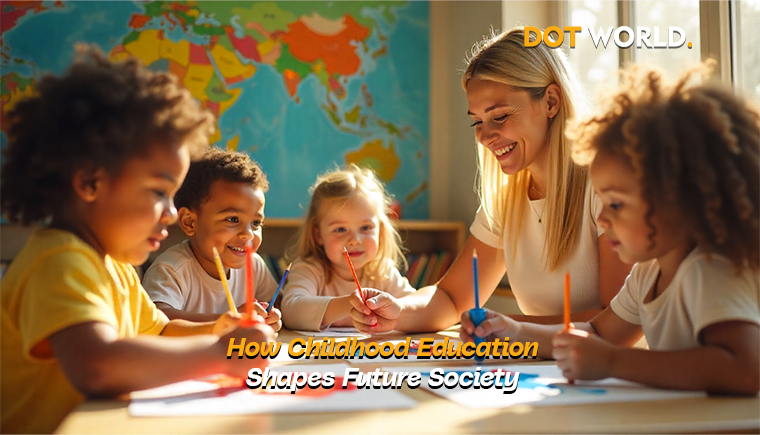
When we think about building a better future, our minds often jump to big political changes, economic reforms, or technological innovations. But the truth is, the foundation of a strong and progressive society starts much earlier — in the classrooms, play areas, and learning spaces of young children. Early childhood education is not just about teaching ABCs and 123s; it’s about shaping minds, values, and social skills that define who we become as adults.
In Pakistan, the conversation around education often focuses on secondary schools or universities. While those stages are important, neglecting the earliest years of learning can leave lasting gaps in child development. Countries that have prioritized primary education and early learning programs are reaping the rewards in innovation, economic growth, and social harmony. The question for Pakistan is: are we investing enough in our children’s earliest learning experiences?
Why Early Childhood Education Matters
The first eight years of a child’s life are the most critical for brain development. Studies show that a child’s brain develops faster during this period than at any other time. Early childhood education provides the structure, guidance, and stimulation that children need to thrive later in life.
Here’s why it’s so important:
- Cognitive Development – Early learning helps children develop problem-solving skills, critical thinking, and creativity.
- Social Skills – Interacting with peers and teachers teaches cooperation, empathy, and conflict resolution.
- Emotional Growth – Children learn how to manage feelings, handle stress, and build self-confidence.
- Preparation for Formal Education – By focusing on primary education foundations early on, children transition smoothly into higher grades without feeling overwhelmed.
The Situation in Pakistan
Unfortunately, Pakistan’s education sector has long struggled with neglecting early learning. While urban private schools may offer kindergarten programs, rural areas often lack even basic facilities for primary education. According to UNICEF, millions of children in Pakistan miss out on preschool entirely, starting formal education too late and at a disadvantage.
Some key challenges include:
- Lack of trained teachers for early childhood classes.
- Outdated or absent curriculum for preschool and early primary grades.
- Limited awareness among parents about the importance of early childhood education.
- Infrastructure gaps — many schools lack child-friendly classrooms, teaching materials, or even safe play areas.
Without urgent reforms, these gaps in education will continue to limit the country’s progress.
Child Development Beyond Books
When we talk about child development, it’s not just about academics. Early learning covers:
- Language skills – Learning vocabulary, storytelling, and communication.
- Motor skills – Activities like drawing, building blocks, and sports help with coordination.
- Social behavior – Sharing, teamwork, and understanding different perspectives.
- Values and ethics – Even at a young age, children begin to understand fairness, honesty, and kindness.
If these elements are missing, the child may grow academically competent but emotionally unprepared for life’s challenges. A society full of academically skilled yet socially disconnected individuals cannot flourish.
Global Lessons in Early Childhood Education
Countries like Finland, Japan, and Singapore have set inspiring examples in early childhood education. Their approach includes:
- Play-based learning – Understanding that play is an essential part of child development.
- Teacher training – Highly skilled educators who specialize in early years.
- Parental involvement – Active engagement of parents in learning activities.
- Holistic assessment – Evaluating children’s growth beyond grades, focusing on social and emotional health.
These countries understand that investment in primary education and early childhood programs is not an expense — it’s a long-term economic and social investment.
The Link Between Childhood Education and Society’s Future
A well-educated child becomes an empowered adult, contributing positively to society. Here’s how early childhood education shapes the bigger picture:
- Economic Growth – Better-educated citizens are more innovative, skilled, and capable of driving industries forward.
- Reduced Crime Rates – Studies show that early education reduces the likelihood of engaging in criminal behavior later in life.
- Stronger Democracy – Educated individuals are more likely to participate in civic duties, vote wisely, and demand accountability.
- Healthier Society – Education promotes awareness about health, hygiene, and nutrition.
In short, if we want to improve Pakistan’s education system, we must start at the very foundation.
What Pakistan Needs to Do
Improving early childhood education and primary education in Pakistan requires coordinated efforts:
- Policy Reform – Government policies should mandate and fund preschool education for all children.
- Teacher Training – Introduce specialized courses for early education in teacher training institutes.
- Infrastructure Development – Build safe, colorful, and stimulating classrooms for young learners.
- Community Awareness – Launch nationwide campaigns on the importance of early learning in child development.
- Public-Private Partnerships – Collaborate with NGOs and private schools to expand early education programs to rural areas.
The Role of Parents and Community
No education system can succeed without active parental and community involvement. Parents should:
- Read to children regularly.
- Engage in educational play.
- Communicate with teachers about their child’s progress.
Communities can organize volunteer programs, set up local reading clubs, and create safe play spaces.
Conclusion
If we want a future where Pakistan thrives economically, socially, and culturally, we must give our children the best possible start in life. Early childhood education is not a luxury — it’s a necessity. From fostering emotional resilience to building academic skills, early learning lays the groundwork for a strong and capable generation.
Investing in education at the earliest stage is the smartest way to secure our nation’s future. When we nurture child development from the start, we are not just helping individual children succeed; we are building the pillars of a prosperous and just society.
Internal Links Suggestions:
- About Us – Learn about our mission for a better Pakistan.
- Blogs – Explore more on Pakistan’s education and social issues.
Videos – Watch impactful content on education reforms.
