
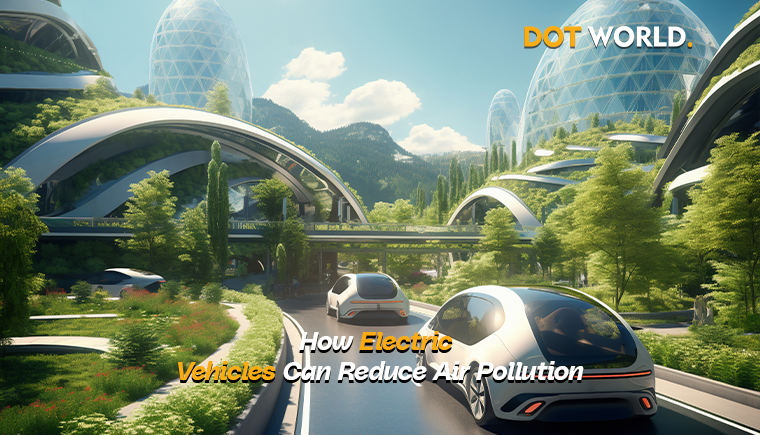
From the smog-filled mornings of Lahore to the dusty streets of Karachi, air pollution has become an alarming reality in Pakistan. The haze we breathe is not just unpleasant — it’s dangerous, causing respiratory issues, heart disease, and environmental degradation.
But what if a big part of the solution was already here? Electric vehicles (EVs) are increasingly seen as the answer to cleaner cities and a healthier environment. Globally, EV adoption is rising fast, and Pakistan has the opportunity to join this green transport revolution.
In this blog, we explore how electric vehicles can reduce air pollution, their role in green transport, and the challenges Pakistan faces in making EVs a mainstream choice.
The Link Between Air Pollution and Transport
In major Pakistani cities, a significant portion of air pollution comes from road transport. According to environmental studies, vehicles running on petrol and diesel release large amounts of nitrogen oxides, carbon monoxide, and particulate matter into the atmosphere.
Traffic congestion and poorly maintained vehicles further worsen emissions, making transport one of the biggest contributors to poor air quality.
Switching to electric vehicles could drastically cut this pollution, as EVs produce zero tailpipe emissions. This means fewer harmful gases in our air and a noticeable improvement in the environment.
How Electric Vehicles Reduce Air Pollution
1. Zero Exhaust Emissions
Unlike traditional vehicles, EVs don’t burn fuel — which means no tailpipe pollutants. This directly reduces harmful emissions like carbon monoxide and particulate matter, both major contributors to smog.
2. Support for Renewable Energy
When powered through clean energy sources like solar and wind, EVs become part of a fully green transport system. This can drastically reduce Pakistan’s dependence on fossil fuels.
3. Better Urban Air Quality
Cities with high EV adoption, such as Oslo and Amsterdam, have recorded measurable drops in urban pollution. For Pakistan’s cities, the shift could mean clearer skies and healthier lungs.
The Environmental Impact Beyond Cities
While urban areas suffer the most from smog, rural areas are not immune to air pollution. The transport of goods via trucks and buses also plays a role in polluting the countryside. Shifting commercial fleets to electric vehicles could protect agricultural lands and improve the overall environment.
For a deeper dive into Pakistan’s environmental challenges, read our blog on Green Transportation in Pakistan.
Electric Vehicles & Green Transport in Pakistan
Green transport is more than just owning an EV. It’s about building a sustainable system that includes:
- Charging Infrastructure: More charging stations in cities and along highways.
- Government Incentives: Reduced taxes, import benefits, and EV financing plans.
- Public Awareness: Campaigns to educate people about the environmental and financial benefits of EVs.
Pakistan’s EV Policy 2020 already offers reduced customs duties and tax incentives. However, the lack of proper charging stations and high initial costs still limit adoption.
You can watch our video Electric Cars in Pakistan – Hype or Reality? for an on-ground perspective.
International Examples to Learn From
Countries like Norway have shown that with the right mix of incentives and infrastructure, EVs can dominate the market. China, the world’s largest EV producer, has significantly reduced air pollution in several of its cities by switching public buses and taxis to electric power.
Pakistan can adapt similar strategies, focusing on public transport electrification to create an immediate impact on air pollution levels.
Challenges in Pakistan’s EV Transition
Despite the clear benefits, some roadblocks exist:
- High Upfront Costs: EVs are still more expensive than petrol cars for the average Pakistani buyer.
- Limited Charging Infrastructure: Few charging stations outside major cities.
- Battery Recycling Concerns: Environmental impact of battery disposal must be managed.
- Public Skepticism: Many still see EVs as luxury items rather than everyday vehicles.
The Bigger Environmental Picture
Switching to electric vehicles isn’t just about cleaner air. It’s also about slowing down climate change, reducing Pakistan’s oil import bill, and promoting sustainable urban growth.
By combining EVs with renewable energy generation, Pakistan could drastically cut greenhouse gas emissions and set an example for other developing nations in the region.
How You Can Contribute
- Choose Green Transport: Opt for an EV if financially possible.
- Advocate for Change: Push for better charging infrastructure in your city.
- Use Public Electric Transport: Support eco-friendly buses, rickshaws, and taxis.
- Spread Awareness: Share information on how EVs benefit the environment.
For more sustainable living tips, check out MyDotWorld – Green Initiatives.
Conclusion
The shift towards electric vehicles is not just a global trend — it’s a necessity for Pakistan. With the growing crisis of air pollution, EV adoption can be one of the most effective solutions for a cleaner environment and healthier citizens.
By embracing green transport, Pakistan can take a major step towards a sustainable future, ensuring that our cities are no longer shrouded in smog but basking in clear, breathable air.
