Introduction
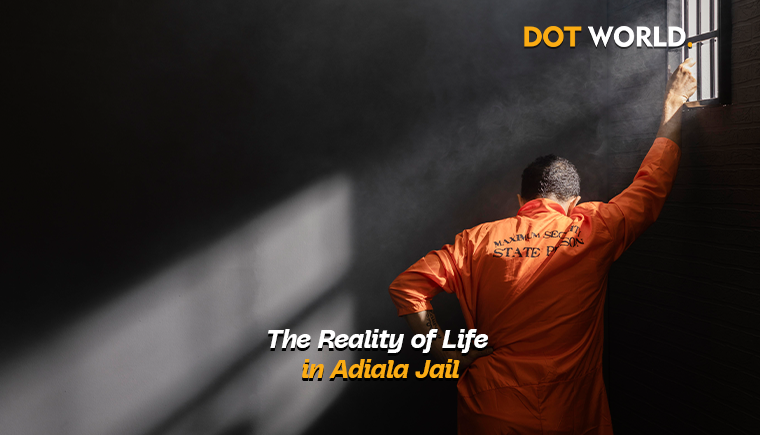
When people in Pakistan hear the words Adiala Jail, they often imagine high walls, iron gates, and a place where criminals are kept away from society. However, the reality of life inside this notorious prison is far more complex. Located in Rawalpindi, Adiala Jail is one of the most well-known prisons in the country, not just because of its size but also because it has housed some of the most high-profile political prisoners in Pakistan’s history.
This blog takes a closer look at what daily life in Adiala Jail really means, how the Pakistan prison system operates, and what these conditions reveal about human rights and justice in the country.
Adiala Jail: More Than a Prison
Adiala Jail, officially called Central Jail Rawalpindi, is one of the largest and most secure facilities in Pakistan. It has gained attention for housing not just convicted criminals but also detainees awaiting trial, as well as high-profile political prisoners.
Some of Pakistan’s most prominent leaders, activists, and journalists have spent time here. Because of this, Adiala has become more than a prison—it is a symbol of Pakistan’s justice system and its struggles between law, politics, and human rights.
👉 Related: Adiala Jail: More Than Just a Prison
Life Inside Adiala Jail
The daily life of inmates in Adiala Jail is shaped by overcrowding, limited facilities, and strict routines. Like many facilities in the Pakistan prison system, Adiala faces challenges such as:
- Overcrowding: Thousands of inmates live in cramped cells designed for fewer people.
- Limited healthcare: Access to medical care is restricted, often leading to untreated illnesses.
- Poor sanitation: Inmates share limited bathroom facilities, making hygiene a major issue.
- Restricted family contact: Visiting hours are tightly controlled, and in some cases, families struggle to meet prisoners regularly.
These conditions highlight the struggles faced not only by common inmates but also by political prisoners and activists.
Human Rights Concerns
The issue of human rights in Pakistan’s prison system has been raised repeatedly by watchdog organizations. In Adiala Jail, reports often highlight:
- Lack of proper nutrition and clean drinking water.
- Psychological stress due to overcrowding and lack of counseling services.
- Limited access to legal aid for under-trial prisoners.
- Cases of alleged mistreatment or abuse by prison authorities.
Such concerns point to the broader weaknesses in the Pakistan prison system, where rehabilitation takes a backseat to punishment.
👉 Related: Role of Supreme Court in Social Justice
Political Prisoners and Adiala’s Symbolism
What makes Adiala unique is its association with political prisoners. Over the years, many politicians, journalists, and activists have been kept behind its walls. For some, Adiala represents injustice and political revenge; for others, it is a badge of resistance and survival.
The treatment of political prisoners in Adiala is often debated. While some high-profile figures may get better facilities than ordinary prisoners, their imprisonment often sparks national debates about democracy, freedom, and human rights in Pakistan.
👉 Read more: Bani Gala: From Residence to Political Hub
Pakistan Prison System: A Reflection of Society
Adiala Jail is just one example of the larger issues within the Pakistan prison system. Nationwide, prisons face:
- A growing population of under-trial prisoners.
- Inadequate funding for infrastructure and facilities.
- Limited focus on education, vocational training, or rehabilitation programs.
- Weak oversight and accountability.
Instead of serving as spaces for rehabilitation, prisons like Adiala often deepen social divisions and reinforce cycles of injustice.
Human Stories from Behind the Walls
Every inmate in Adiala Jail carries a story. For ordinary prisoners, life is about survival amid harsh conditions. For political prisoners, it is about enduring the test of resilience. For families, it is about the emotional toll of separation and the stigma of having a loved one behind bars.
These stories often remain hidden, but they reflect the human cost of a broken justice and prison system.
👉 Related: Media Freedom in Pakistan: Myth or Reality?
The Case for Prison Reforms
If Pakistan is serious about justice and democracy, reforms to its prison system are essential. For Adiala Jail and beyond, the government must:
- Improve living conditions to meet basic human rights standards.
- Ensure fair treatment of both ordinary inmates and political prisoners.
- Expand education and skill development programs to reduce re-offending.
- Modernize healthcare services inside prisons.
- Increase transparency to reduce abuse and corruption.
Such steps would not only humanize the Pakistan prison system but also strengthen public trust in the justice system.
Conclusion
The reality of life in Adiala Jail is a window into the broader state of Pakistan’s justice system. Overcrowding, limited healthcare, and human rights concerns make it a difficult place for ordinary prisoners. At the same time, its role in housing political prisoners has turned it into a symbol of political struggle and national debate.
Reforming Pakistan’s prisons is not just about improving conditions for inmates; it is about ensuring that justice in the country is fair, humane, and consistent with the values of democracy. Until then, the story of Adiala Jail will remain a painful reminder of the challenges facing Pakistan’s rule of law.
For further reading: