
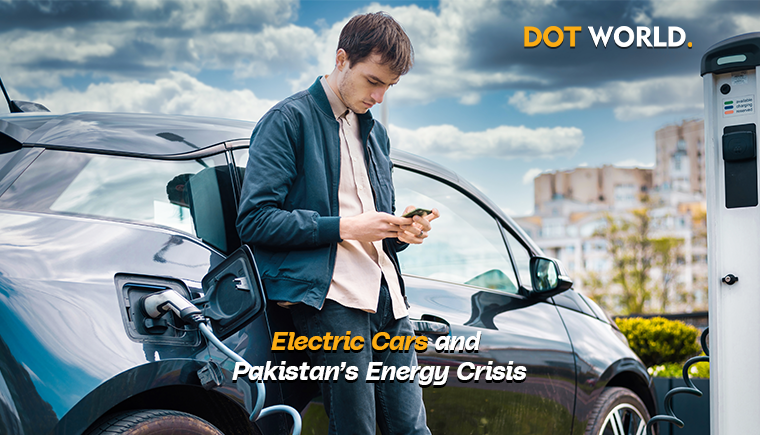
Introduction
The global shift toward electric cars is often celebrated as a solution to climate change, urban pollution, and rising fuel prices. Countries around the world are embracing green tech to build sustainable futures. But for Pakistan, where an ongoing energy crisis has led to frequent electricity shortages, the transition to electric mobility presents a complex challenge.
Can Pakistan really afford to push for electric cars while struggling to keep the lights on? This blog explores the opportunities and challenges of electric mobility in Pakistan’s context and how the country can balance innovation with its fragile energy infrastructure.
Electric Cars: The Promise of Green Tech
Across the globe, electric cars are positioned as a cleaner, smarter alternative to traditional vehicles. They:
- Reduce reliance on imported oil.
- Cut carbon emissions.
- Lower long-term operating costs.
- Showcase technological progress in green tech.
For Pakistan, where air pollution and fuel dependency are major concerns, electric mobility seems like the perfect solution. However, the reality is far more complicated when viewed through the lens of the energy crisis.
Pakistan’s Energy Crisis Explained
The energy crisis in Pakistan has been ongoing for decades, marked by frequent power cuts and reliance on imported fossil fuels. Key issues include:
- Electricity shortages due to limited generation capacity.
- High reliance on imported oil and LNG.
- Aging transmission infrastructure with heavy line losses.
- Poor planning and delayed projects.
Even today, rural areas face hours of load-shedding, while major cities like Karachi and Lahore struggle with regular blackouts. Introducing thousands of electric cars into this system without fixing the grid would place additional stress on an already fragile network.
Related read: Electric Vehicles in Pakistan: A New Era
The Double-Edged Sword of Electric Cars
While electric cars reduce oil imports, they shift energy demand toward electricity. For Pakistan, this means:
- Increased electricity demand in a country already facing severe electricity shortages.
- Higher load on an outdated transmission system.
- Need for new charging infrastructure, which itself consumes power.
Without a parallel investment in green tech energy sources, adopting electric cars could worsen the energy crisis instead of solving it.
Electricity Shortage: The Key Barrier
An electricity shortage in Pakistan is not just an inconvenience; it is a structural barrier to modernization. Imagine charging an electric car in a city where residents already experience 6–8 hours of load-shedding daily. Without reliable supply, electric cars risk becoming luxury items limited to a few urban elites instead of a mass solution.
This challenge explains why many experts believe Pakistan must first strengthen its renewable energy systems — solar, wind, and hydropower — before fully committing to electric mobility.
Green Tech as the Missing Link
Green tech is the bridge between electric mobility and Pakistan’s power sector. Instead of charging electric cars with coal-based electricity, Pakistan must push for:
- Solar charging stations in rural and urban areas.
- Wind and hydropower investments to expand clean energy.
- Incentives for private investors to develop renewable grids.
This would ensure that electric cars do not worsen the energy crisis, but instead become part of the solution.
👉 Related: EV Charging Infrastructure in Pakistan
Learning from Other Countries
Countries facing similar constraints have shown ways forward:
- India promotes rooftop solar alongside electric mobility.
- China leads in both renewable energy and electric cars, building synergy between them.
- Norway offers subsidies but also ensures grid upgrades to handle increased demand.
Pakistan can adopt these lessons by ensuring that green tech investments grow alongside electric car adoption.
The Role of Policy and Government
Pakistan’s EV policy shows intent, but execution remains slow. To balance the energy crisis with electric mobility, the government must:
- Provide tax incentives for green tech charging solutions.
- Upgrade the power grid to reduce transmission losses.
- Encourage local manufacturing of electric cars to reduce import costs.
- Integrate renewable energy into the national grid aggressively.
Without these steps, electric mobility risks becoming a policy slogan rather than a practical reality.
Urban vs Rural Divide
In urban areas like Karachi, Lahore, and Islamabad, electric cars may find a market due to better infrastructure and higher purchasing power. However, in rural areas, where electricity shortages are common, adoption will be nearly impossible unless green tech solutions are deployed locally.
Read more: Tesla Model 3 vs BYD: Which is Better for Pakistan?
Are Electric Cars Still Worth It for Pakistan?
Yes — but only if approached strategically. The benefits of electric cars for Pakistan include:
- Reduced oil imports, easing pressure on foreign reserves.
- Cleaner air in cities, improving public health.
- Technological progress, linking Pakistan to global innovation.
However, unless the electricity shortage is addressed and green tech infrastructure is expanded, electric cars could deepen the energy crisis rather than solving it.
Watch this: Electric Vehicles (EVs)
Conclusion
The debate on electric cars in Pakistan is closely tied to the country’s energy crisis. While electric mobility offers a path toward sustainability and reduced dependency on imported fuels, the reality of electricity shortages makes immediate large-scale adoption unrealistic.
The only way forward is to invest heavily in green tech, ensuring renewable energy powers future electric mobility. By addressing the energy crisis alongside promoting electric vehicles, Pakistan can build a cleaner, more resilient future where electric cars are not just symbols of progress, but practical tools for sustainable development.
For more insights:
Electric Vehicles in Pakistan: A New Era
You’ll be interested: Viagra Super Active: what it is, who considers it, and what to do next
